



We are Mental Health Minnesota
Our vision is a world free from stigma that improves mental health and well-being for all.
Mental Health Minnesota is the voice of lived mental health experience. We carry that declaration forward as we work to advance mental health and well-being for all, increase access to mental health treatment and services, and provide education, resources and support across Minnesota.
Mental Health Minnesota was founded in 1939, and has been a trusted source for mental health advocacy, education, resources and support for more than 80 years. We are a non-profit and non-partisan organization, and an affiliate of Mental Health America.
What We Do
Everyone needs a little help sometimes. That’s why our services are free, confidential and anonymous.

Mental Health Screenings
Easy-to-use online screening tools to check on your mental health, available 24/7

Peer Support
Support from people who have also struggled with their mental health and are here to listen, available via phone, text or online chat

Resources and Referrals
Online tools and resources, build your own wellness and safety plans, and connections to treatment and crisis services

Education
Presentations and workshops to promote a better understanding of mental health and resources for communities, workplaces and providers
Advocacy
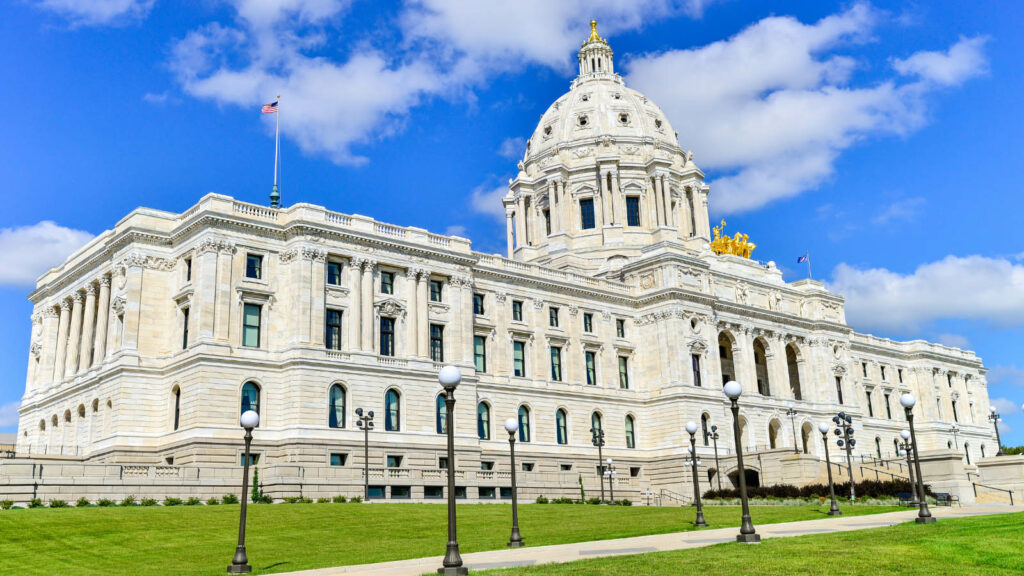
Advocacy at the local, state and federal level to improve access to mental health care and engagement of lived experience at every level
Our Impact
Our work improves lives. It changes lives. It saves lives.
87,000+
calls, texts and online chats to provide help and peer support
612,000+
visits to our website to seek tools, resources and support
108,000+
online mental health screenings
87
Minnesota counties served